Where We Spend The Day Learning About The Flood Of 1953
And The Netherlands Water Management System
What I really like about this itinerary is how well it’s covered the whole of the Netherlands. Previously, I’ve only been to Amsterdam and Kinderdijk. Today we were in the southern part of the Netherlands.
A good chunk of the Netherlands is below sea level. Over the centuries they’ve figured out an extensive water management system that is mostly made up of dikes. Dikes are constructed using dirt facing the dry side and layers of sand and rocks facing the water side. BTW, the difference between a dam and a dike is: a dam has water on both sides, and a dike has water on side and dry land on the other.
In 1953, there was a literal perfect storm on January 31 into February 1 in the Zeeland, the southern part of the Netherlands. All the water management systems failed, causing a huge flood that destroyed everything in its path, including over 1800 people. This is known as the North Sea Flood. The devastation was so great, to this day people refer to “before flood” and “after flood” times.
Our excursion ticket just mentioned visiting the Flood Museum (the Dutch are not creative when naming things). Turned out we had two more stops.- which made sense, because we couldn’t figure out what would take us 5 hours at a flood museum.
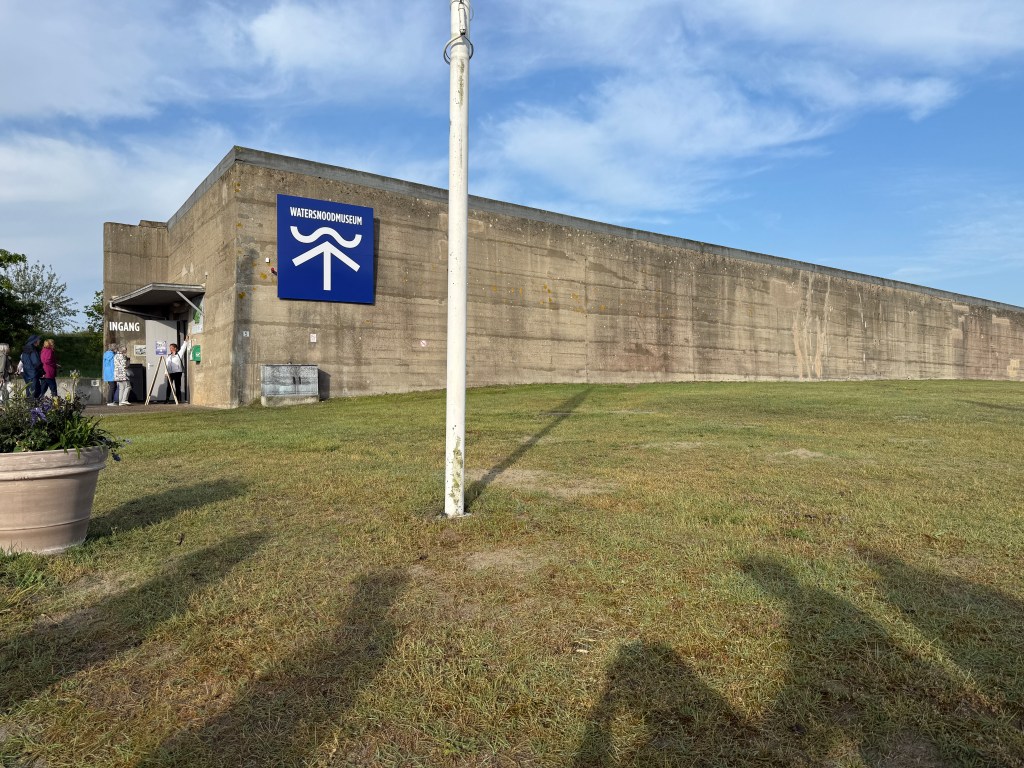
The museum’s building itself is made up of the 5 original caissons used to stop the flooding at this particular spot. For all the other dike breaches, repairing the dike fixed the problem, but the damage was so great in this location that fixing the dikes wasn’t even an option. Caissons – huge, hollow, concrete boxes – were shipped from the UK to the Netherlands and lowered into the dike breaches to stop the flooding. Years later, after new water management engineering was installed, it was decided to turn the caissons into a museum of the 1953 flood. The museum’s interior is a path through all 5 caissons.
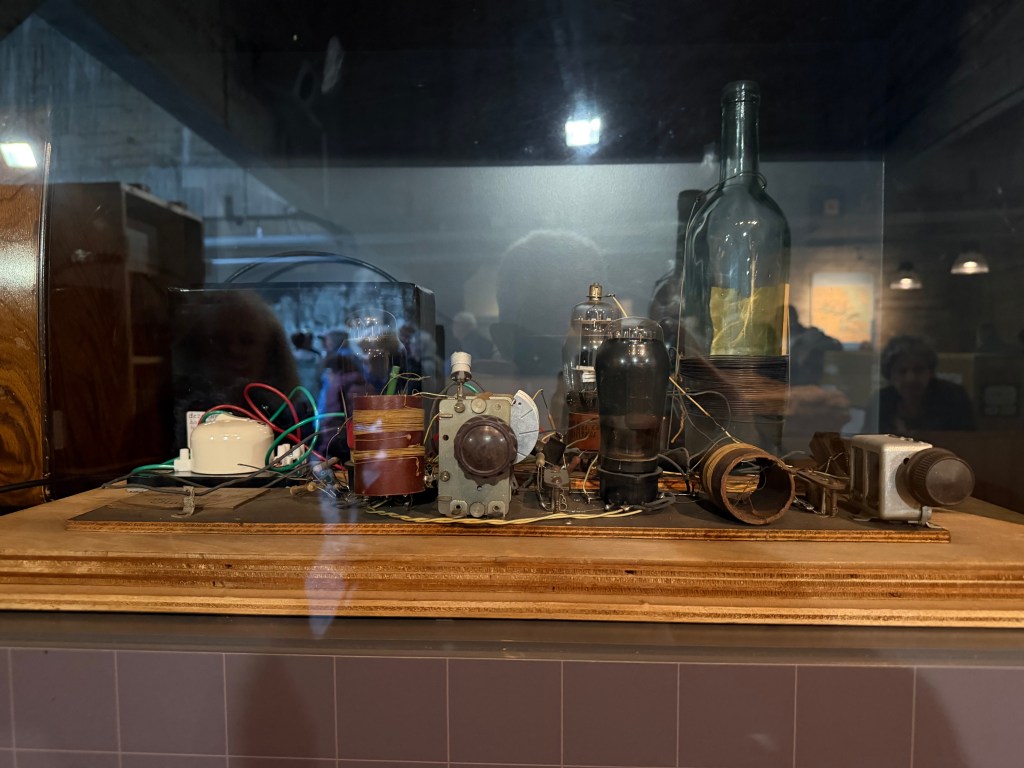
The destruction was so complete, the outside world wasn’t aware of the situation for 2 days. Someone rigged together a radio out of odds-and-ends to send an SOS.
Most of the museum contained artifacts from people impacted by the flood – both survivors and non-survivors.
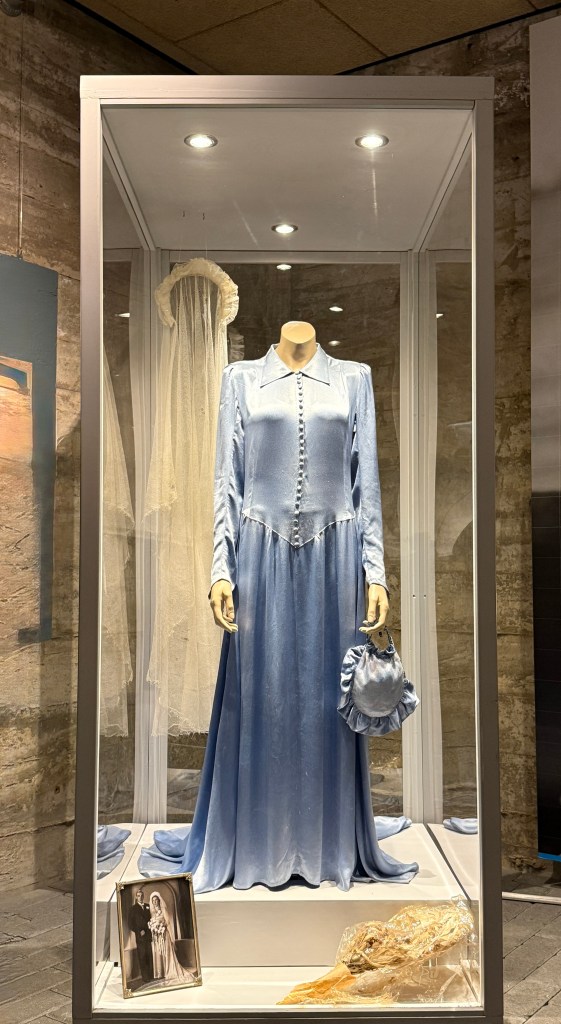
The dress below was the wedding dress of a woman who died in the flood with her 2 year-old child. Her husband survived and kept it stored away in an attic. Her husband remarried and had another family. Years after her husband passed away, his children found his first wife’s dress and donated it to the museum.
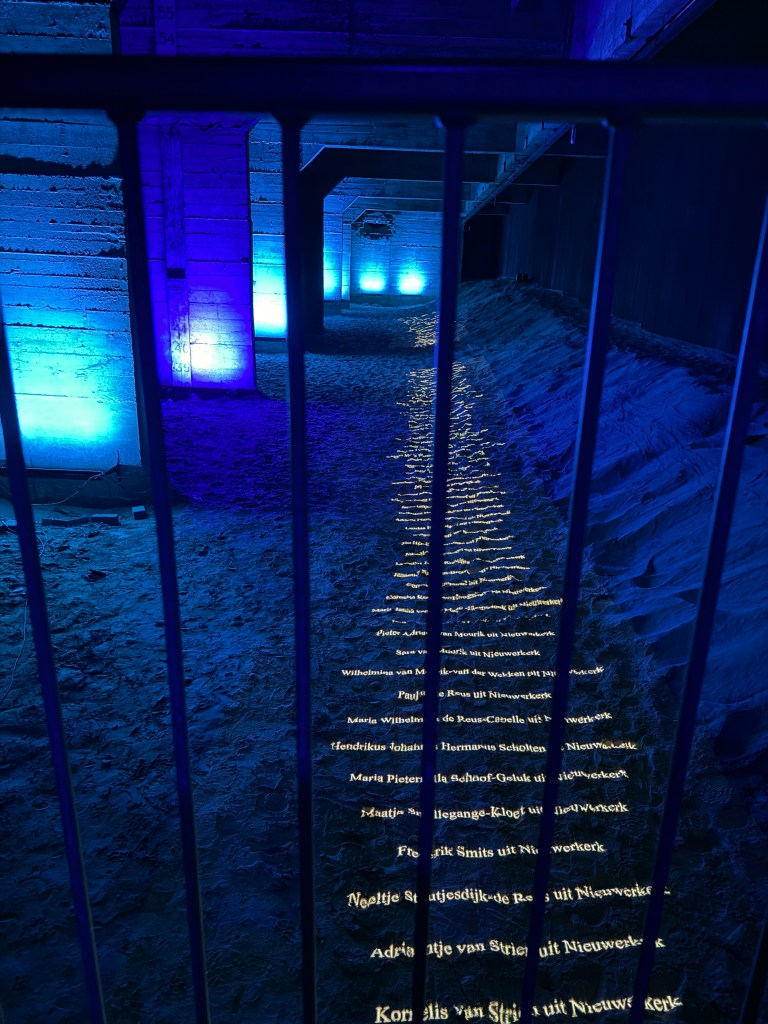
There were several memorials throughout the museum. This memorial listed all the names of the victims moving in a continuous loop – the names appear to flow on the waves of the water.
There was a multi-screen film with clips of the flood itself – most of it was hand-held/shaky camera footage, which tends to trigger my motion sickness, so we didn’t watch it.
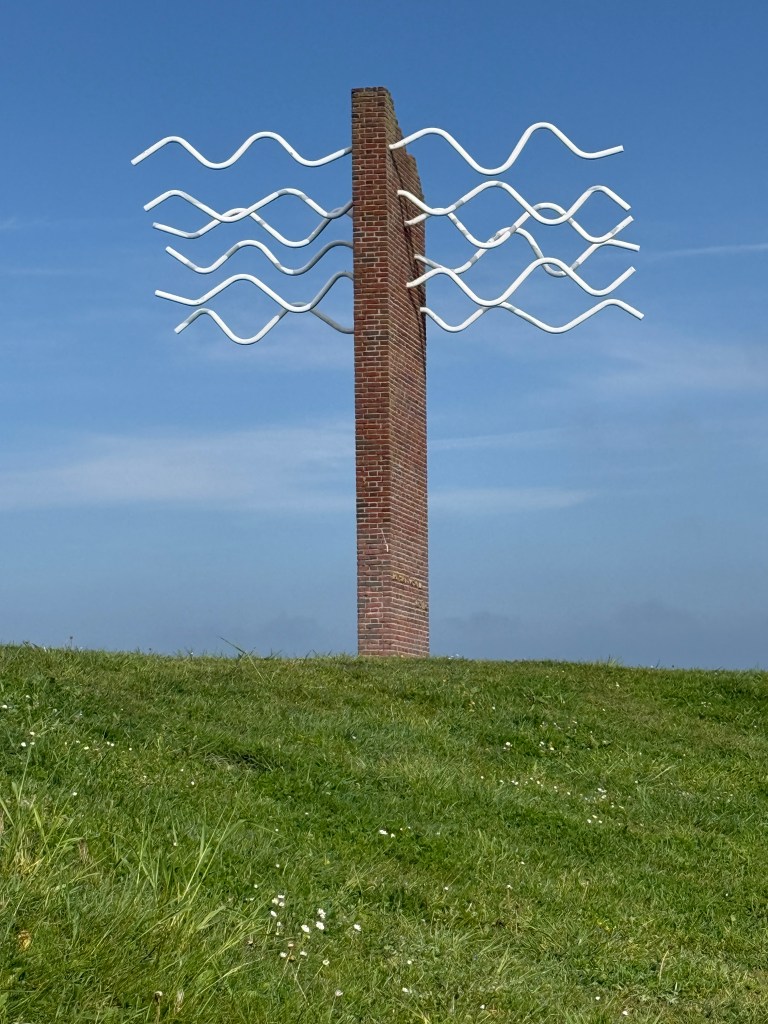
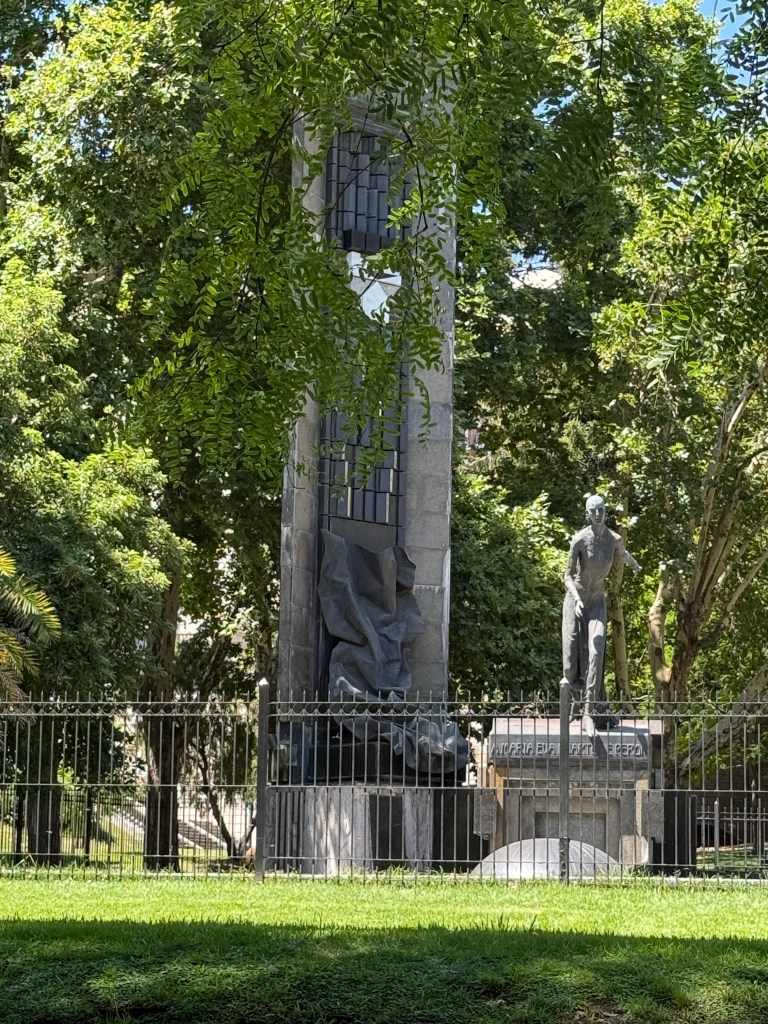
This monument was just outside the exit of the museum:
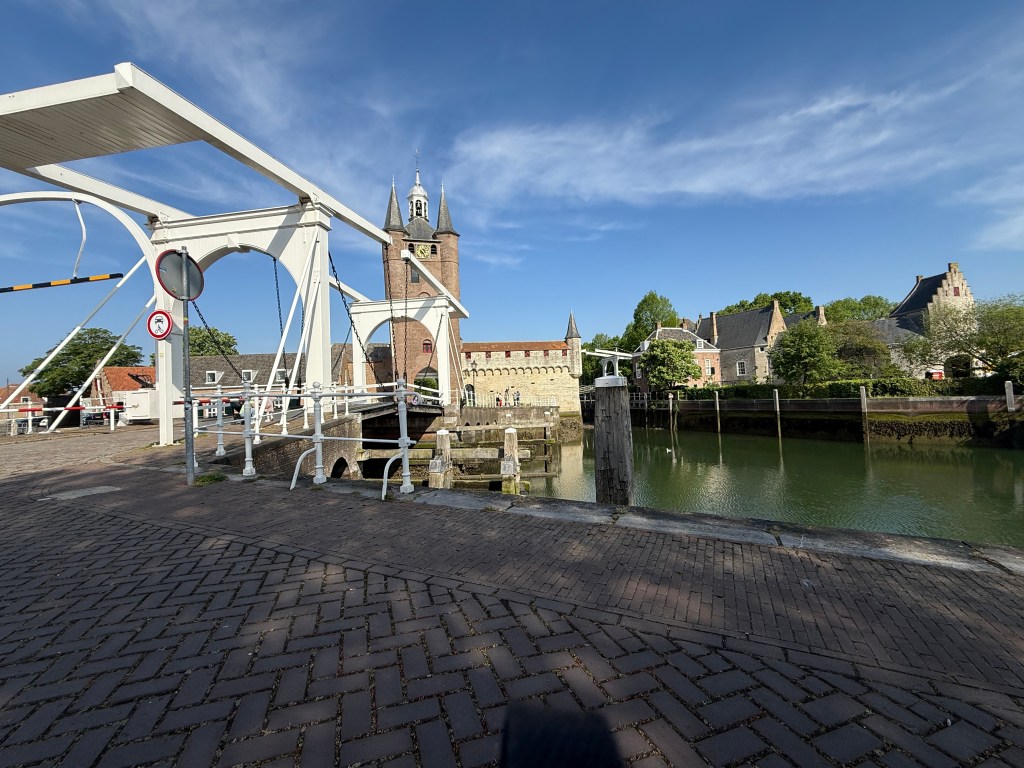
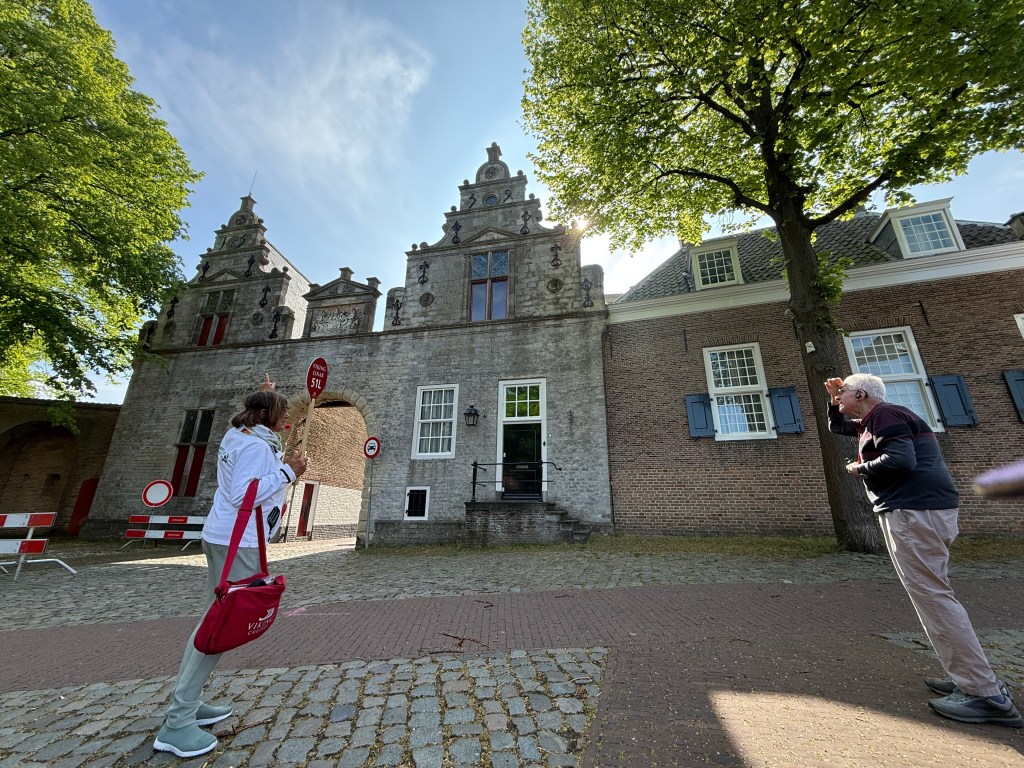
Once back on the bus, we headed to the town of Zierikzee. I’ve already forgotten how to pronounce it. This was a little bit of a surprise, because our ticket nor the excursion description mentioned anything about a walking tour.
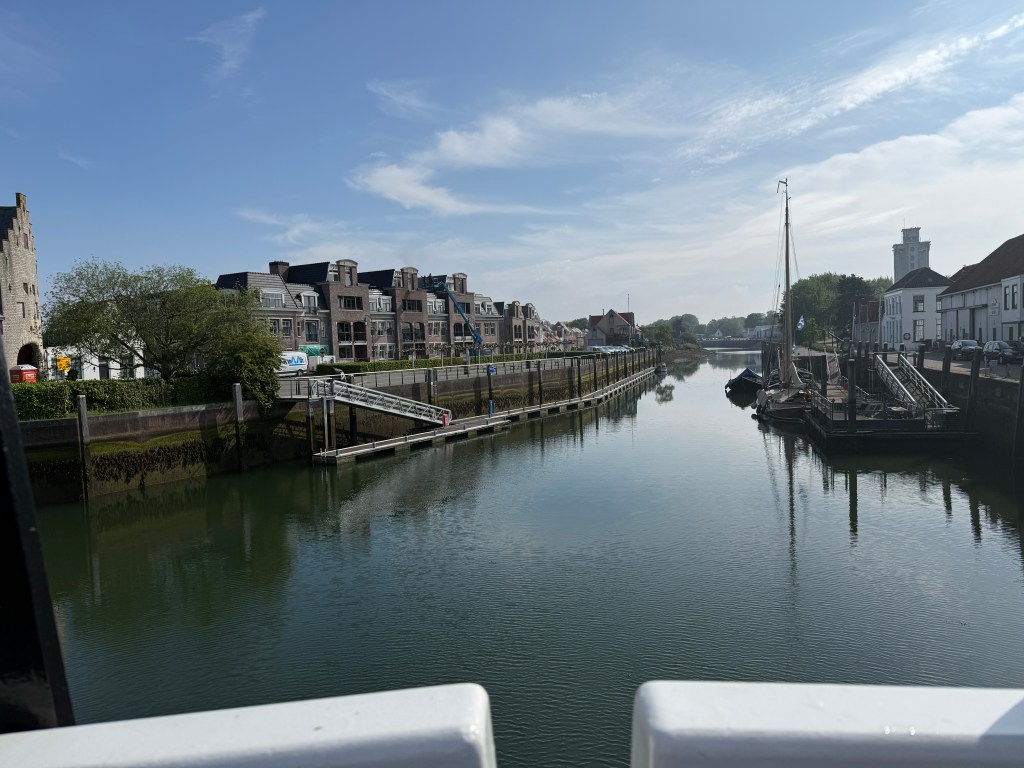
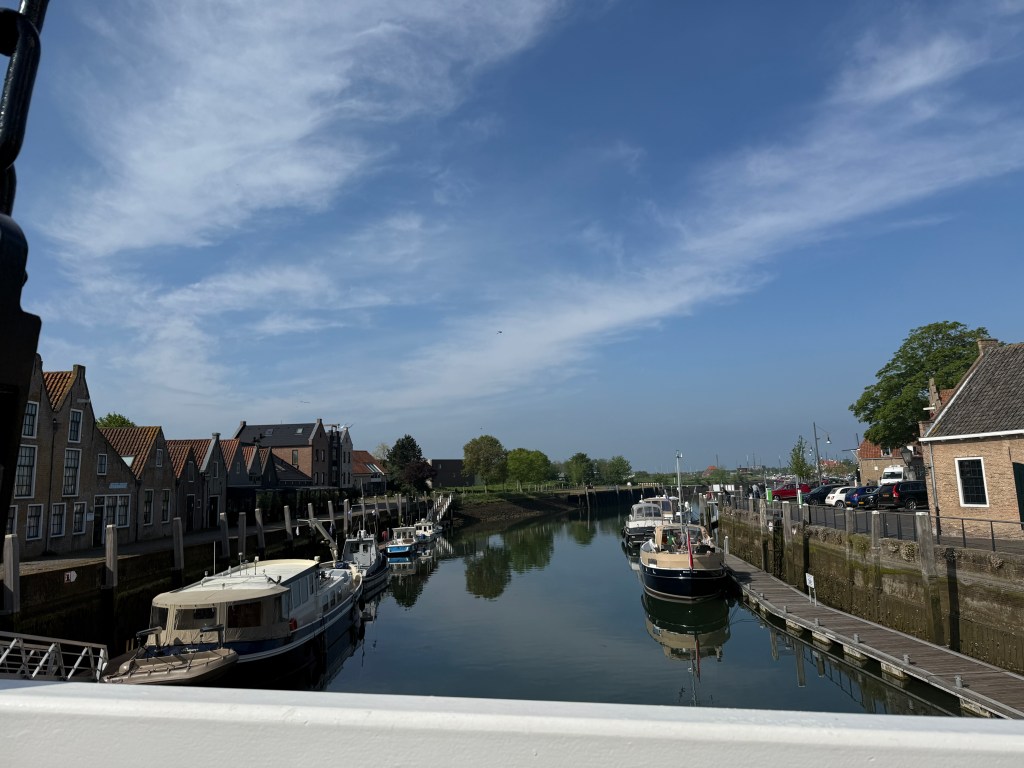
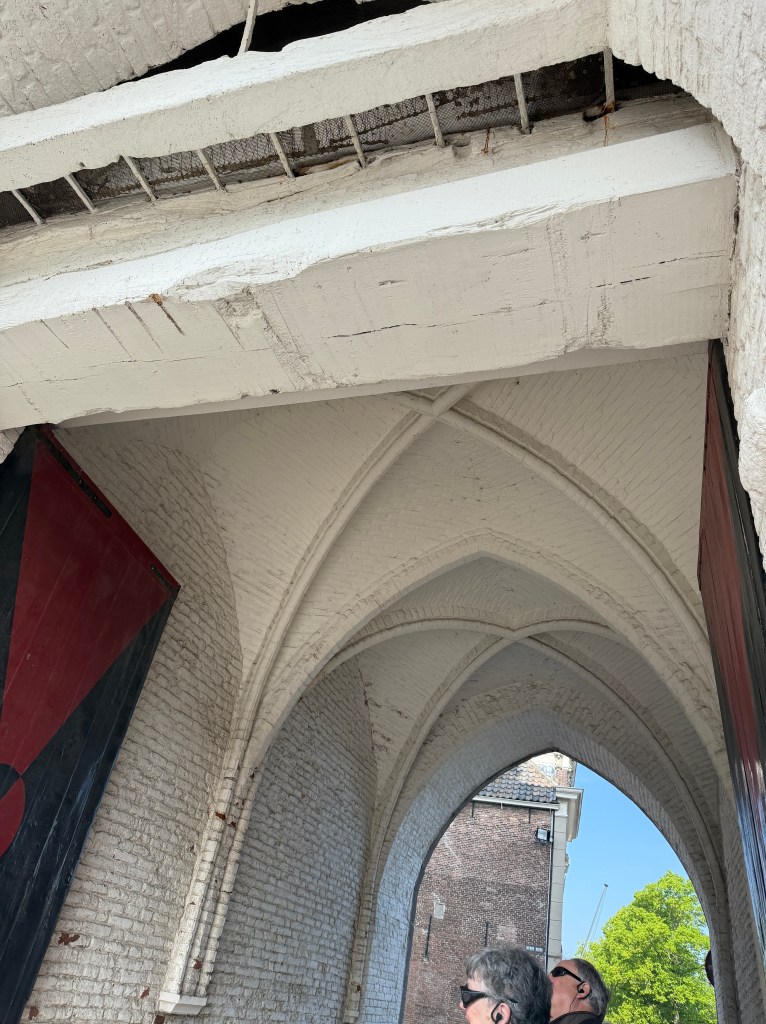
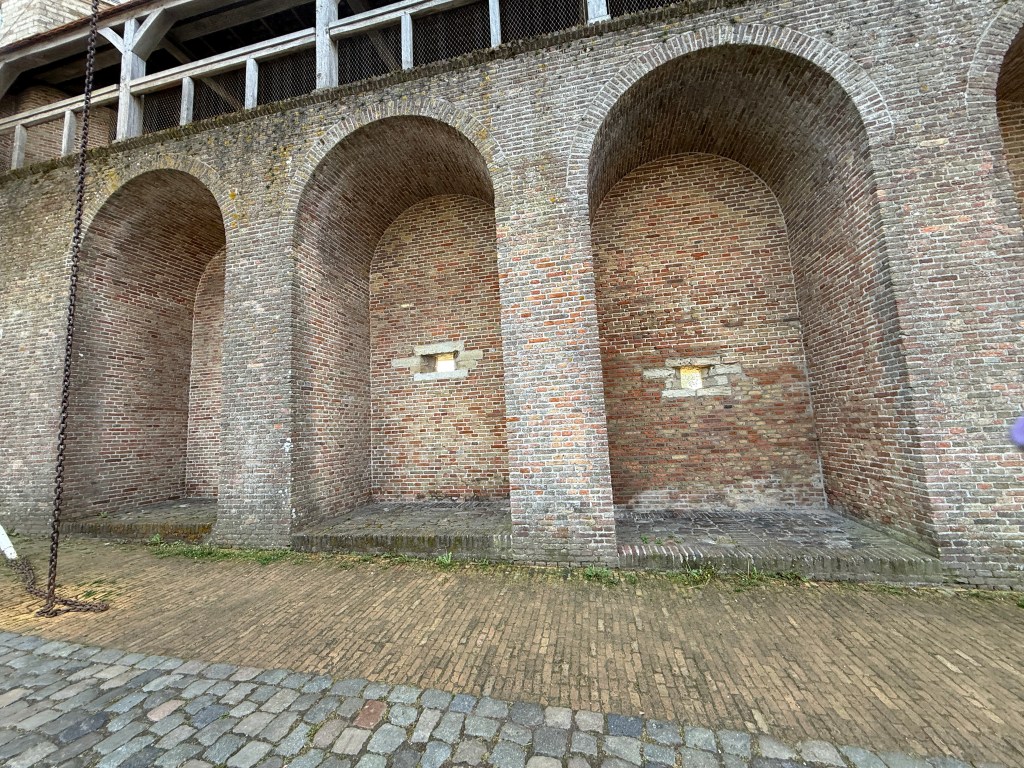
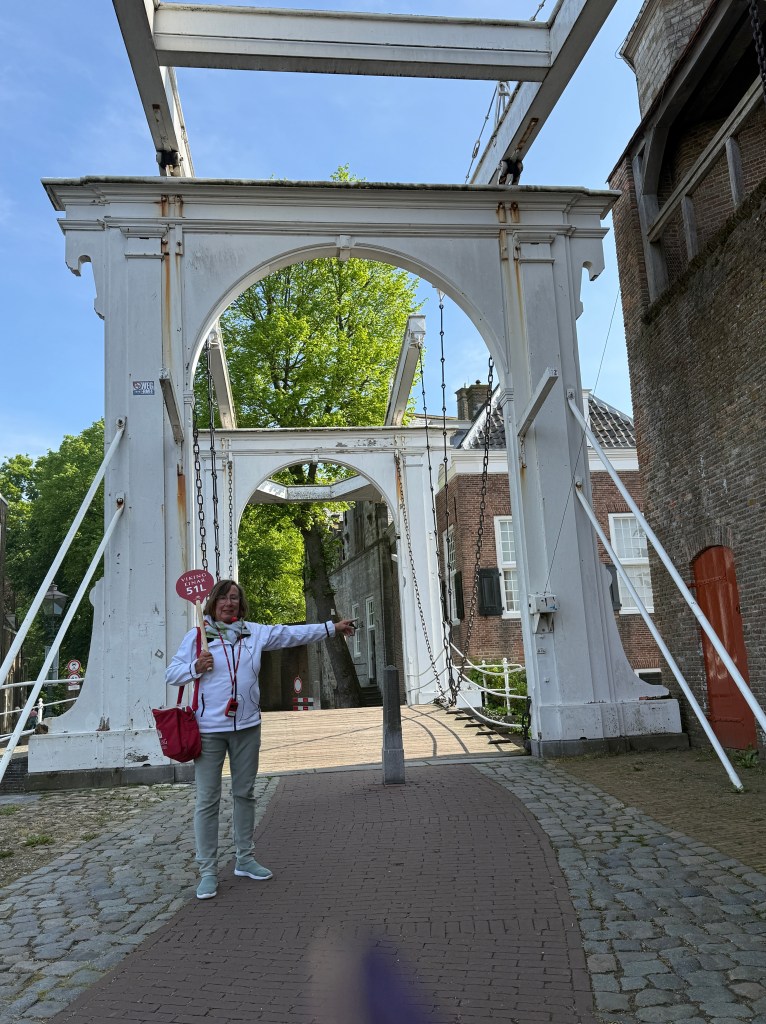
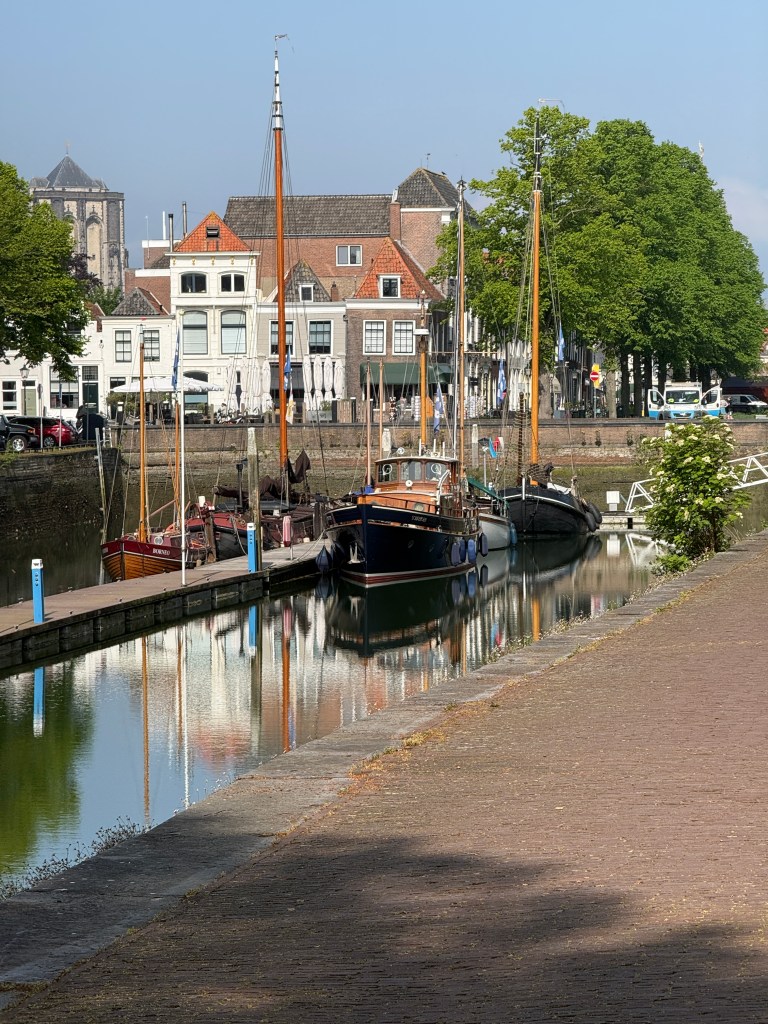
It’s a very old and cute little town, with a city gate as a remnant of the city wall. The town dates back to the 1400s. It is far enough inland that it did not flood in 1953. There was a cute gift shop, and the weather was beautiful.
Our next “surprise” stop was a photo op by the water. We drove across the Zeeland Bridge, which is 5km long (3.1 miles).
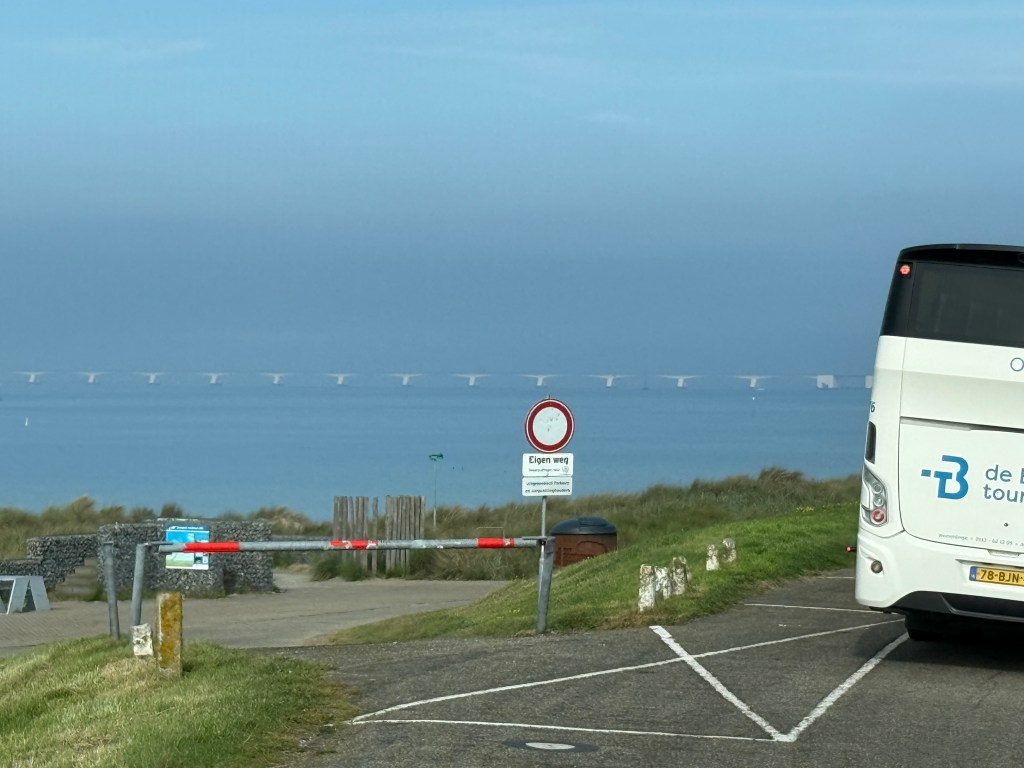
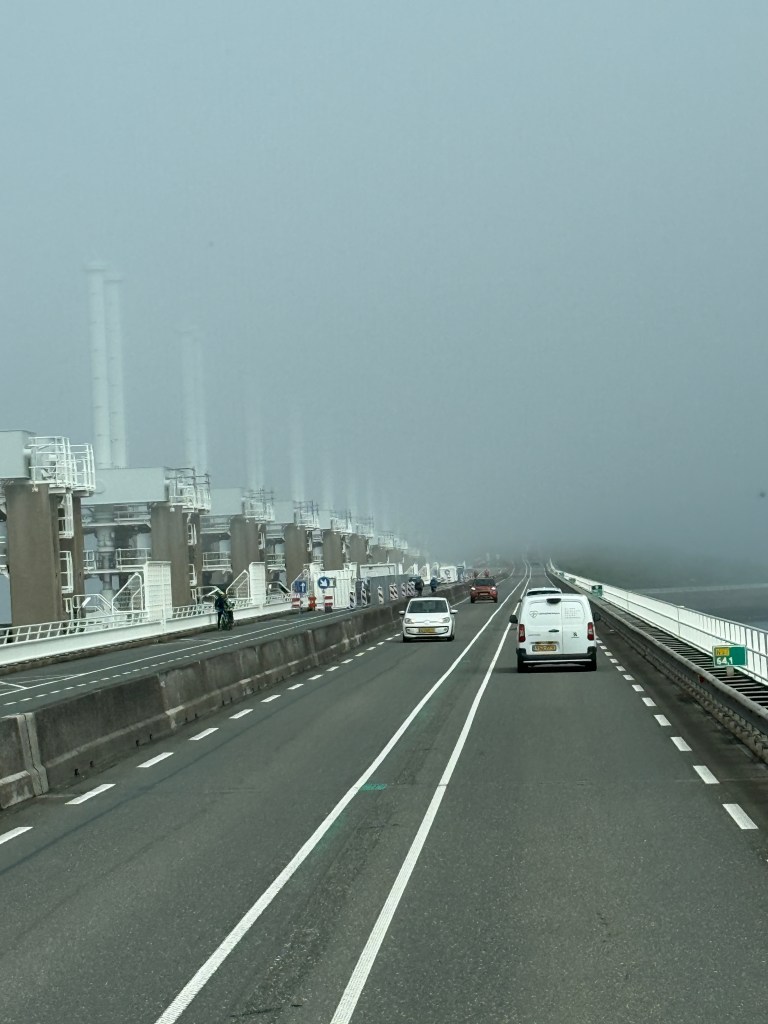
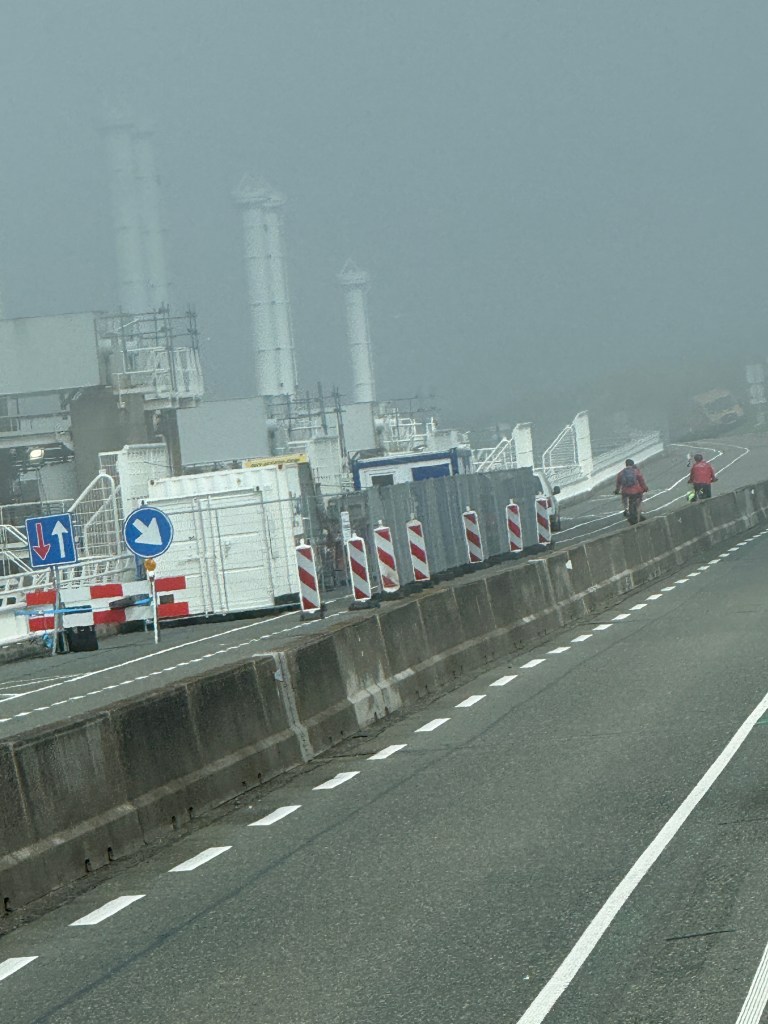
From this vantage point, we had a good view of the Storm Surge Bridge. Each segment of this bridge has a door that can be lowered in 70 minutes to stop the flow of water from the sea to the interior. The Storm Surge Bridge is 8 km long. I remember the tour guide saying that the last time it was used was 1986.
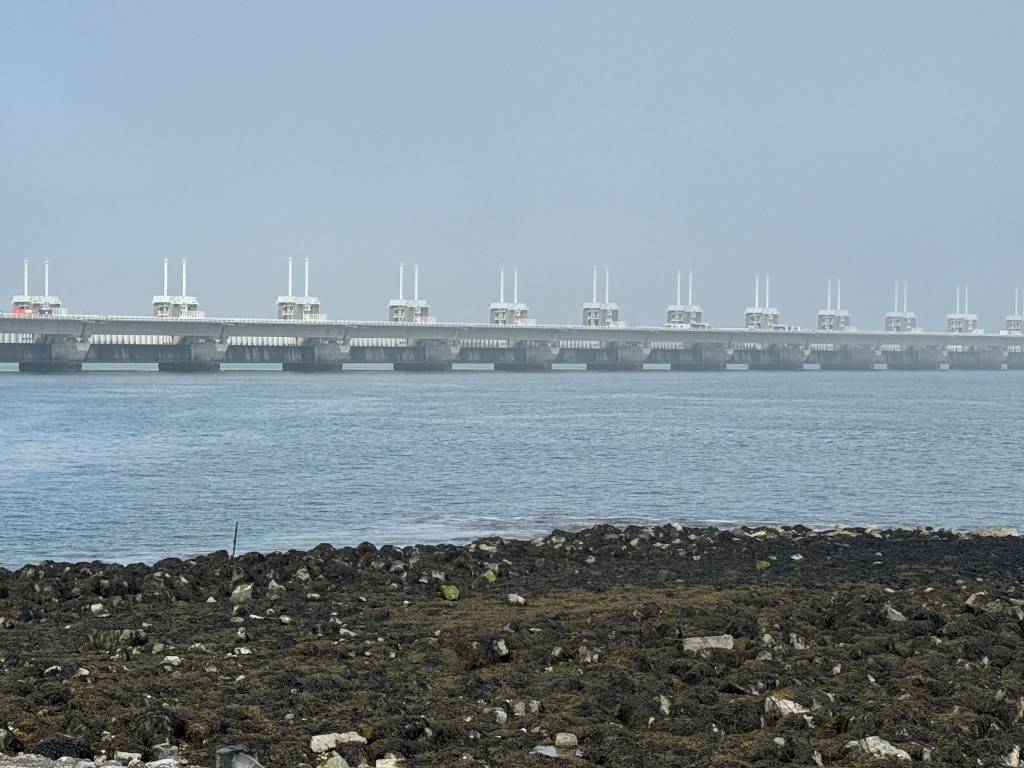
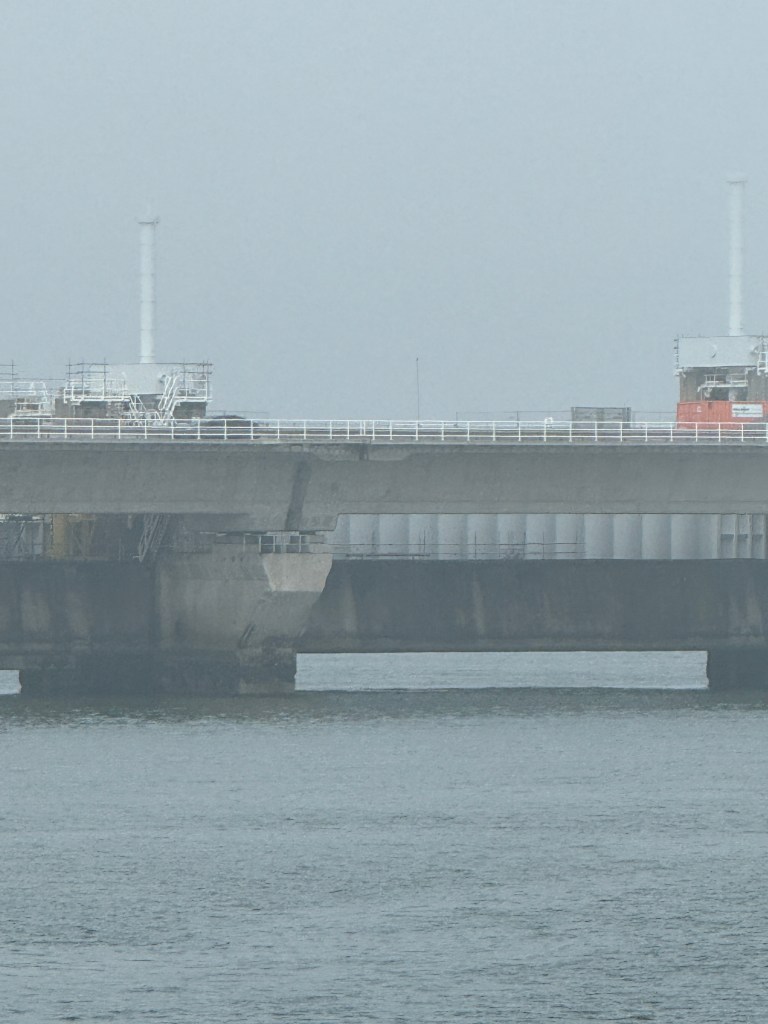
This is a close up of one of the segments. You can see how close the bridge is to the water and how the door would lower if needed.
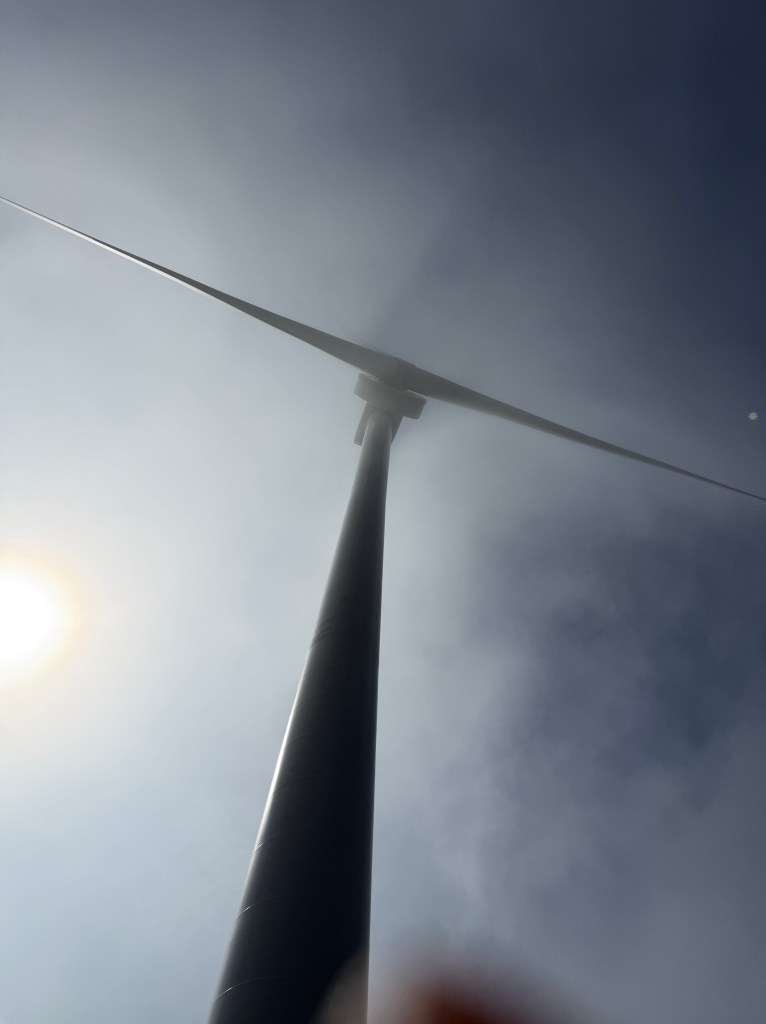
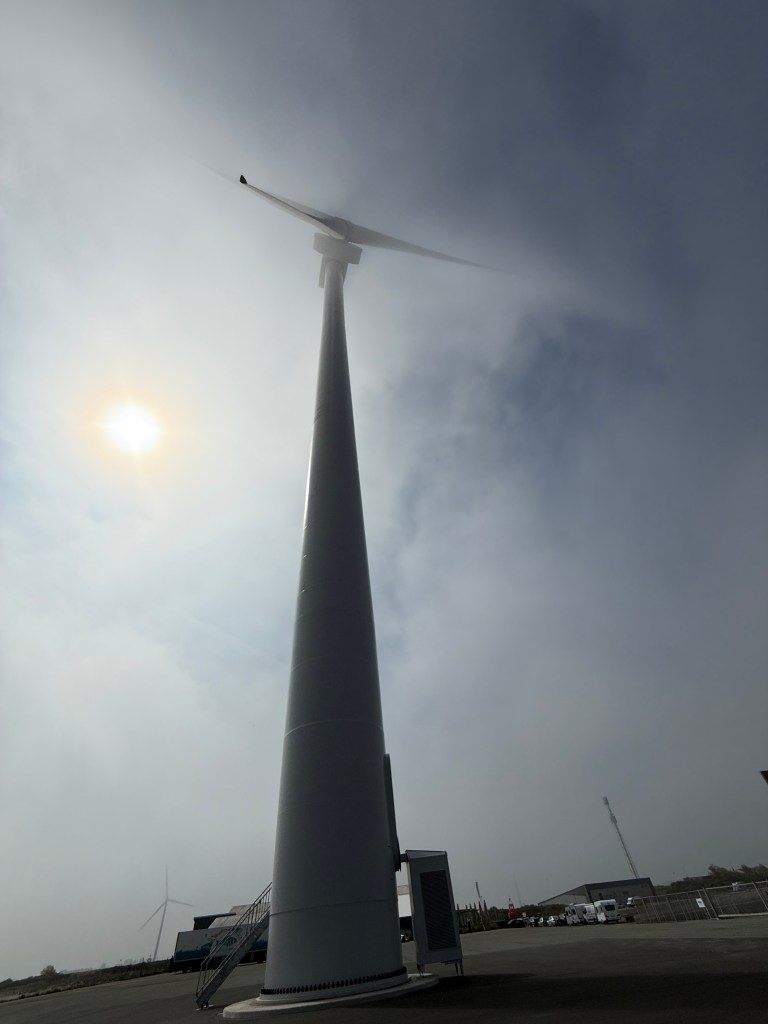
We were standing directly underneath some wind turbines. It was cool to see them spin up close.
On the way back to the ship, we drove across the Storm Surge Bridge.
We were back at the ship by 1:30, just in time for lunch. The ship set sail a little after 2:00 p.m. to head back to Amsterdam. The adventure is almost over!
Tomorrow: The pièce de résistance: Keukenhof Gardens and the end of the tulip season!







 Maryland Meshugas